
Master craftsman handyman services in Germantown, PA. Door repair, window restoration, trim work, and all home repairs done right. 30+ years of craftsmanship.
Handyman in Germantown, PA
Handyman services in Germantown, Philadelphia County cover home repair and maintenance — door and window restoration, trim and cabinetry, kitchen and bathroom updates, deck and porch repair — performed in person by Fred Beese, a 30-year master craftsman specializing in Germantown's pre-1900 historic homes.
Germantown is unlike any other neighborhood in Philadelphia — and unlike almost any other urban neighborhood in America. Germantown Avenue, one of the oldest continuously traveled roads on the continent, runs through the heart of it, lined with structures that predate the Revolution and rowhouses built in nearly every era since. Along that corridor and the streets that branch from it — Tulpehocken Street, Greene Street, Manheim Street, Chelten Avenue, and Washington Lane — the built environment tells the full story of Philadelphia's residential history in a single walkable district. Cliveden, a National Trust historic house museum, anchors the northern end of the neighborhood and stands as one of the finest surviving examples of Georgian domestic architecture in the country. Grumblethorpe, built in 1744, and Stenton mansion, the 1730 home of James Logan, are among the earliest stone houses in the region and remain visible landmarks of Germantown's colonial-era settlement. The Deshler-Morris House, where President Washington took refuge during the 1793 yellow fever epidemic, is another property that grounds this neighborhood in national history. The Johnson House Historic Site, a documented stop on the Underground Railroad, adds yet another layer to an already dense historical record. The Germantown Historical Society on Germantown Avenue preserves the documentary record of all of it. The Germantown Historic District itself carries National Register designation, as do dozens of individual properties within it — in the Tulpehocken neighborhood and Chelten Hills, the concentration of late-Victorian and Edwardian houses is particularly dense. Vernon Park provides a civic anchor near the Chelten Avenue commercial corridor, and the SEPTA Regional Rail Germantown station connects the neighborhood to Center City without disrupting the residential scale that makes it exceptional. The Victorian-era rowhouse blocks along Washington Lane represent still another housing type — later than the Federal mansions, earlier than the 20th-century stock, and built with a level of trim detail that rewards careful maintenance.
Fred has worked on homes across the Northwest Philadelphia corridor, and Germantown properties stand in a category of their own for age, complexity, and the sheer variety of what you encounter once you open up a wall or pull back a sill. The neighborhood contains Federal-era stone mansions, mid-Victorian Italianate villas, late-Victorian Queen Anne and Romanesque rowhouses, and everything in between — sometimes on the same block. Many have never had a full renovation, which means original materials survive in quantity: original window frames, original plaster, original woodwork, original hardware. That is a genuine asset, but it comes with a maintenance obligation that most general contractors are not equipped to meet. On the typical pre-1900 home in Germantown, Fred watches for three issues: original six-over-six or nine-over-nine double-hung windows where the glazing compound has dried and cracked away from the glass and the putty no longer seals against weather, creating both energy loss and rot conditions in the bottom rail; original interior shutters with broken stile-and-rail joints where the mortise-and-tenon connections have loosened over a century of seasonal movement and the panels no longer fold or latch correctly; and Federal-era mantelpiece details — applied ornamental composition moldings, reeded pilasters, sunburst paterae — where pieces have separated from the substrate, gone missing, or been painted over so many times that the profile has been obscured. Each of these is repairable with the right approach and materials. None of them benefits from a contractor who defaults to replacement. Heading west along Germantown Avenue into Roxborough, the era shifts and the housing character changes — more late-Victorian and early 20th-century stock, fewer Federal-period survivors — but the commitment to period-appropriate work travels with Fred regardless of the address. Fred works on one project at a time. Contact him through this site to discuss your project.
Get a Free Estimate View Main Handyman Page → Germantown Area Guide →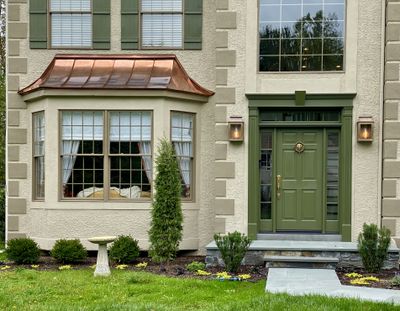
Services in Germantown, PA
Fred handles door and window repair, trim and plaster work, cabinetry, light fixtures, and general home repairs in Germantown — fixed-price estimates, no hourly surprises.
01
Sash window repair, glazing, weatherization, and restoration that preserves period windows rather than replacing them.
02
Cabinet refinishing, hardware installation, countertop updates, and practical improvements without full-scale renovation.
03
Fixture replacement, tile repair, vanity updates, and water damage restoration.
04
Custom trim installation, period-accurate baseboards, crown molding, and detailed millwork repair.
05
Cabinet repair, refinishing, custom shelving, and built-in installation and restoration.
06
Railing restoration, board replacement, refinishing, and structural repair done right.
07
Custom shelving installation, closet organization, and built-in storage solutions.
08
Drywall repair, plaster patching, and wall finishing that looks like original craft.
Recent Work Near Germantown PA
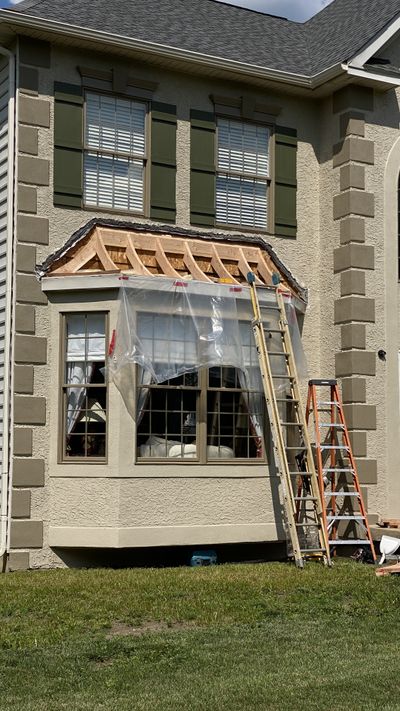
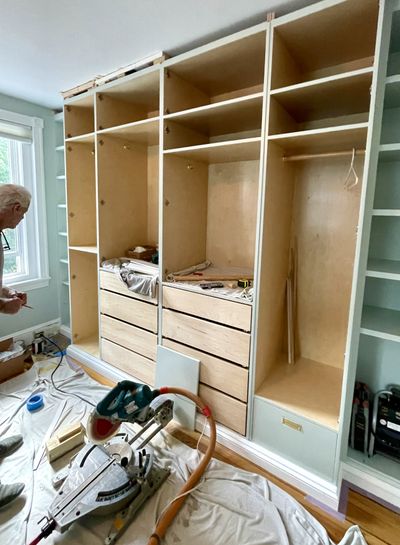
Philadelphia County · Pre-1920 Victorian & Late Victorian
Pre-1920 Philadelphia-area homes were built with old-growth heart pine, Douglas fir, and chestnut framing — denser and more rot-resistant than modern lumber. Exterior walls in Chestnut Hill and Wyndmoor are often Wissahickon schist; elsewhere, Philadelphia brick and lime mortar. Interiors are plaster-over-lath with horsehair-reinforced base coats. Windows are original single-pane sheet glass in divided-light sash, hung in frames with cast iron sash weights. All original trim was painted with oil-based paint over lead primer. Understanding these materials — how they fail, how they move seasonally, what will bond to them — shapes every repair decision on a home this old.
Rope-and-pulley sash window failures — counterweight ropes break after 80+ years, leaving sash that won't stay open; re-roping requires removing the sash and parting bead
Failed glazing compound on original single-pane glass — oil putty shrinks and cracks over decades, allowing moisture into the sash frame and starting rot at the bottom rail
Plaster keying failure at door and window header joints — seasonal structural movement breaks the mechanical bond between plaster and lath at lintels
Exterior wood rot behind added storm windows — vinyl or aluminum storms installed in the 1970s–80s trap moisture against original wood that was never meant to be sealed
Lead paint on all original trim, windows, and exterior surfaces — EPA RRP rules apply to sanding and disturbing lead-bearing paint
Original mortise lock and hinge hardware with worn or missing parts — replacement period-appropriate hardware often requires custom sourcing
On a pre-1920 home, the first thing Fred checks is the bottom rail of every sash window: that's where glazing compound failure drives moisture into the frame and starts rot before it's visible. Second is the exterior wood at storm window sills — the original sill was designed to drain, and when a storm window covers it, water traps against wood that can't dry. Third is the plaster at door and window headers: if you see a horizontal crack running across the top of an opening, the lintel is moving seasonally and the plaster key is failing — a predictable pattern that responds well to the right repair sequence before the plaster falls.
Why Fred for Germantown's Pre-1920 Victorian & Late Victorian homes
Fred has worked on Victorian-era homes throughout the Philadelphia region for 30 years and understands their specific failure patterns. He uses period-appropriate repair techniques — oil-based glazing compound on original sash, epoxy consolidant before wood filler on rotted members, custom-milled trim profiles sourced to match existing millwork — rather than modern substitutes that don't hold or don't match the original character. On a pre-1920 home, the goal is always to preserve what is original and repairable, not to replace it with something faster or cheaper that will need to be done again in ten years.
Discuss Your ProjectHandyman Services Near Germantown, PA
Fred serves Germantown and the surrounding communities throughout Philadelphia County. If you're in a neighboring town, Fred's service area likely covers you — reach out to confirm.
Transparent Pricing
Most handyman jobs in Germantown run $150–$800. Small repairs start around $150; window or trim work typically falls in the $350–$800 range. Fred quotes fixed prices — you know the cost before he starts.
Door adjustments, hardware installation, light fixture replacement, and minor fixes.
Window restoration, trim installation, bathroom fixture replacement, plaster repair.
Deck repair, multiple fixture installations, extensive plaster work, cabinetry repair.
Custom trim, shelving, built-in cabinetry, and specialized restoration — pricing per project.
Germantown's historic district properties and Federal-era mansions often require preservation-grade materials and techniques, which can affect project timelines. Even modest repairs on homes with National Register significance benefit from a craftsman who understands period-appropriate methods.
Fred works by fixed project pricing, not hourly rates. He visits your home, assesses the work, and provides a detailed estimate before starting. No surprises, no upselling — just transparent, quality work.
Common Questions
Project costs in Germantown vary based on the scope of work and the specific demands of the property. Historic district properties and Federal-era mansions on the National Register often require preservation-grade materials and techniques — period-appropriate glazing compounds, historically correct molding profiles, lime-based plaster patching — which can affect both materials cost and project timelines compared to standard repair work. Even modest repairs on homes with National Register significance benefit from a craftsman who understands period-appropriate methods. Fred provides straightforward estimates based on what the work actually requires. Contact him through this site for a project-specific conversation.
Fred handles window repair and restoration, kitchen updates, bathroom repairs, trim and molding work, cabinetry, deck and porch repair, shelving and storage, and drywall and plaster — with particular depth in the historic restoration work that Germantown's pre-1900 housing stock demands. That includes original double-hung window restoration, period millwork repair and replication, Federal-era mantelpiece restoration, and plaster repair in homes where the original three-coat plaster is still in place.
Timeline depends entirely on the project. A straightforward window re-glazing or a plaster patch repair might take a day or two. A more involved scope — restoring a set of original shutters, replicating a missing section of Federal-era mantelpiece trim, or addressing deteriorated sill conditions on multiple windows — will take longer. Because Fred works on one project at a time, his full attention is on your home while he is there. He will give you a realistic timeline estimate during the initial conversation, not an optimistic one designed to get the job.
Fred Beese does the work — a 30-year master craftsman who handles every project personally. Fred takes on one project at a time, which means no rotating crews moving between job sites and no subcontractors doing the skilled portions of your job. You get plain-language communication about what your home needs at every stage of the project, and the person you speak with before the project starts is the same person doing the work.
Yes. A significant portion of Germantown's housing stock carries individual National Register listing or sits within the Germantown Historic District. Fred understands what that means in practice: preservation-appropriate materials, techniques that respect original fabric, and an approach that does not default to replacement when repair is possible. If your property is subject to historic review requirements, Fred can discuss what those constraints mean for the scope of work.
The most common issues Fred encounters in Germantown's oldest homes are failed window glazing and putty on original double-hung sashes, deteriorated wood at sills and bottom rails where water has been getting in for years, cracked or delaminated plaster in rooms with original three-coat walls, loose or missing applied ornamental details on Federal and Victorian-era trim, and original interior shutters that no longer function because their mortise-and-tenon joinery has failed. All of these are repairable — and on a home of this age and significance, repair is almost always the right answer.
Yes. Original six-over-six and nine-over-nine double-hung windows are one of the most common and most important things to preserve in Germantown's colonial and Federal-era homes. Fred re-glazes sashes, replaces individual muntin sections where needed, addresses rot at the bottom rail and sill, and re-ropes weights and pulleys so the sash operates correctly. A properly restored original window outperforms a replacement unit in longevity and is the appropriate choice for a historic property.
Yes. Federal-era interiors — mantelpieces with applied composition ornaments, reeded pilasters, dentil cornices, and delicate molding profiles — require a different approach than standard trim carpentry. Fred works on these elements carefully: stabilizing loose applied ornaments, replicating missing pieces from surviving examples, and patching or splicing millwork rather than replacing it wholesale. The goal is always to preserve what is there.
Properties in the Tulpehocken neighborhood and near Cliveden tend to be among the most architecturally significant in Germantown — large Victorian and Edwardian houses with extensive original woodwork, high-ceilinged rooms, and details that are difficult or impossible to replicate with off-the-shelf materials. Fred is comfortable working in these homes and takes the time to understand what is original before proposing any repair approach.
That is the default approach, not an upcharge. On a Germantown home built before 1900, Fred's instinct is always to ask whether the original material can be repaired before recommending replacement. Original windows, original plaster, original trim, and original hardware all have value — aesthetic, historical, and practical — that a modern replacement does not recover. Fred will tell you honestly when replacement is genuinely the better option, but it is not the first answer.
Yes. Matching original profiles — whether a Greek Revival base cap, a Victorian-era ogee casing, or a Federal-period chair rail — requires taking a careful template from surviving original material and either running a custom profile or sourcing a stock profile that matches closely enough to be invisible in context. Fred does this work regularly and will not splice in a profile that reads as wrong against the original trim.
Handyman Germantown, PA
Fred works with a small number of Germantown clients at a time — which means your project gets his full attention, expertise, and 30+ years of craftsmanship. Reach out to discuss what your home needs.
Get a Free Estimate
Tell Fred what you need — he returns every call and text himself, usually within 24 hours. No call center, no crews, no spam.
What Clients Say
“We initially hired Fred to build a bedroom closet for us, and his work has been truly exceptional. His attention to detail, combined with a strong sense of aesthetics, is rare to find. He takes the time to refine every aspect of the work.”
“We had a fantastic experience working with Fred Beese! His communication was incredibly clear from start to finish, so we always knew exactly what to expect. His prices are reasonable, but what really sets him apart is his vision — he offered suggestions that elevated the final result.”
“Fred is truly an artist. He built a fence for me and collaborated every step of the way. I highly recommend him especially if you want the end result to be outstanding and beautiful.”
“Fred is an outstanding contractor. His communication skills are excellent. He keeps you informed every step of the way and is extremely easy to work with. His attention to detail really sets him apart, and it shows in the quality of his work.”
“Fred Beese has done much work for me on my house over the years both as a craftsman and as a contractor. His work is uniformly excellent. He is responsible, meticulous, very knowledgeable across the range of construction skills.”
“Fred does excellent work! He can do pretty much anything you need done from electrical to carpentry. He is a pleasure to work with.”
Tell us about your project and Fred will be in touch within 24 hours.