
Kitchen remodeling, bathroom renovation, and historic restoration for Germantown's Victorian, Federal, and historic homes — one craftsman, built to last.
Your Local Germantown Contractor
Germantown is one of America's oldest continuously inhabited communities and has an architectural heritage to match — Federal period rowhouses, Victorian-era twins, mid-century apartment conversions, and historic estates along Germantown Avenue that predate the Revolution. The homes here have survived a long time because they were built to. They deserve renovation work that matches that standard.
Fred Beese Builds serves Germantown from his base in Jenkintown. Fred brings 30+ years of design and construction experience — including a background in Hollywood film production — to kitchen remodels, bathroom renovations, historic restoration, and custom woodworking in Germantown's diverse and historically significant housing stock.
One craftsman. No subcontractors. Fred handles every project personally.
Get a Free Estimate View Portfolio →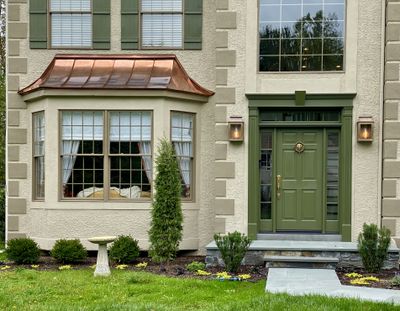
Germantown Home Types
Germantown has some of the oldest surviving residential architecture in Pennsylvania — Federal-period rowhouses and pre-Revolutionary properties that require genuine historic knowledge to renovate properly. Fred's experience with original materials and period construction is directly applicable.
The late nineteenth century Victorian rowhouses and semi-detached twins throughout Germantown have original millwork, hardwood floors, and decorative details that define their character. Fred preserves and restores these details as a core part of every renovation.
Germantown's historic corridor includes larger stone estate properties with extensive original materials, generous proportions, and architectural significance. Fred has the skill and patience these projects require.
Services in Germantown PA
Fred handles kitchen remodeling, bathroom renovation, custom woodworking, historic restoration, and handyman repairs in Germantown, PA — one craftsman, fixed-price estimates, no subcontractors.
01
Full kitchen renovations for Germantown's historic and Victorian homes — custom cabinetry, professional lighting, and complete project management from Fred.
Learn more →02
Bathroom renovation for Germantown's older homes — handling original plumbing, plaster, and period conditions with experience and care.
Learn more →03
Custom built-ins, millwork, and cabinetry for Germantown homes — designed to match and extend the original woodwork and period character of each house.
Learn more →04
Historic millwork, plaster, door, and period detail restoration for Germantown's Federal, Victorian, and historic properties — by a contractor who understands their significance.
Learn more →05
Residential and landscape lighting design for Germantown's historic homes — with a film professional's understanding of how light serves architecture.
Learn more →06
No project is too small. Door repair, window restoration, trim work, drywall, light fixtures, and all home repairs in Germantown — done with the same craftsmanship as a full renovation.
Learn more →Recent Work
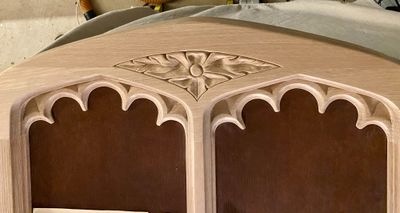
A century-old Gothic arch double door in a Wyndmoor stone home. The original carved oak tracery header — cusped ogee arches, lancet moldings, foliate rosette — was beyond repair. It couldn't be sourced anywhere. Fred hand-carved a replacement in matching white oak, profile for profile, to match the original.
Read the full case study →Common Questions
Fred Beese Builds serves Germantown from his base in Jenkintown. Fred specializes in the historic and Victorian homes that define Germantown's architectural heritage, with 30+ years of design and construction experience and deep knowledge of period construction methods and materials.
Kitchen remodeling in Germantown typically ranges from $16,000–$32,000 for a mid-range renovation to $55,000+ for a full gut renovation. Row homes and twins with original configurations require careful planning around plumbing, layout, and material matching. Fred provides a detailed estimate after visiting your home.
Yes — Germantown's historic housing stock is exactly the context Fred is most experienced in. He works with Federal-period, Victorian, and early twentieth century homes regularly, specializing in the restoration of original millwork, plaster, period doors, and architectural details that define these properties.
Fred serves Germantown (19144), Mt. Airy (19119), Chestnut Hill (19118), Wyndmoor (19095), and the broader Northwest Philadelphia corridor including Glenside and Jenkintown.
Pre-1920 Victorian & Late Victorian
Pre-1920 Philadelphia-area homes were built with old-growth heart pine, Douglas fir, and chestnut framing — denser and more rot-resistant than modern lumber. Exterior walls in Chestnut Hill and Wyndmoor are often Wissahickon schist; elsewhere, Philadelphia brick and lime mortar. Interiors are plaster-over-lath with horsehair-reinforced base coats. Windows are original single-pane sheet glass in divided-light sash, hung in frames with cast iron sash weights. All original trim was painted with oil-based paint over lead primer. Understanding these materials — how they fail, how they move seasonally, what will bond to them — shapes every repair decision on a home this old.
Rope-and-pulley sash window failures — counterweight ropes break after 80+ years, leaving sash that won't stay open; re-roping requires removing the sash and parting bead
Failed glazing compound on original single-pane glass — oil putty shrinks and cracks over decades, allowing moisture into the sash frame and starting rot at the bottom rail
Plaster keying failure at door and window header joints — seasonal structural movement breaks the mechanical bond between plaster and lath at lintels
Exterior wood rot behind added storm windows — vinyl or aluminum storms installed in the 1970s–80s trap moisture against original wood that was never meant to be sealed
Lead paint on all original trim, windows, and exterior surfaces — EPA RRP rules apply to sanding and disturbing lead-bearing paint
Original mortise lock and hinge hardware with worn or missing parts — replacement period-appropriate hardware often requires custom sourcing
On a pre-1920 home, the first thing Fred checks is the bottom rail of every sash window: that's where glazing compound failure drives moisture into the frame and starts rot before it's visible. Second is the exterior wood at storm window sills — the original sill was designed to drain, and when a storm window covers it, water traps against wood that can't dry. Third is the plaster at door and window headers: if you see a horizontal crack running across the top of an opening, the lintel is moving seasonally and the plaster key is failing — a predictable pattern that responds well to the right repair sequence before the plaster falls.
Why Fred for Germantown's Pre-1920 Victorian & Late Victorian homes
Fred has worked on Victorian-era homes throughout the Philadelphia region for 30 years and understands their specific failure patterns. He uses period-appropriate repair techniques — oil-based glazing compound on original sash, epoxy consolidant before wood filler on rotted members, custom-milled trim profiles sourced to match existing millwork — rather than modern substitutes that don't hold or don't match the original character. On a pre-1920 home, the goal is always to preserve what is original and repairable, not to replace it with something faster or cheaper that will need to be done again in ten years.
Discuss Your ProjectContractor Germantown Philadelphia
Fred works with a small number of clients at a time — which means your project gets his full attention from design through completion. If you're in Germantown and want craftsmanship that matches your home, reach out.
Get a Free Estimate
Tell Fred what you need — he returns every call and text himself, usually within 24 hours. No call center, no crews, no spam.
What Clients Say
“We initially hired Fred to build a bedroom closet for us, and his work has been truly exceptional. His attention to detail, combined with a strong sense of aesthetics, is rare to find. He takes the time to refine every aspect of the work.”
“We had a fantastic experience working with Fred Beese! His communication was incredibly clear from start to finish, so we always knew exactly what to expect. His prices are reasonable, but what really sets him apart is his vision — he offered suggestions that elevated the final result.”
“Fred is truly an artist. He built a fence for me and collaborated every step of the way. I highly recommend him especially if you want the end result to be outstanding and beautiful.”
“Fred is an outstanding contractor. His communication skills are excellent. He keeps you informed every step of the way and is extremely easy to work with. His attention to detail really sets him apart, and it shows in the quality of his work.”
“Fred Beese has done much work for me on my house over the years both as a craftsman and as a contractor. His work is uniformly excellent. He is responsible, meticulous, very knowledgeable across the range of construction skills.”
“Fred does excellent work! He can do pretty much anything you need done from electrical to carpentry. He is a pleasure to work with.”
Tell us about your project and Fred will be in touch within 24 hours.