What Separates Good From Great
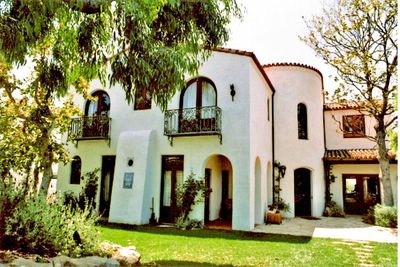
Montgomery County homes—especially those in Chestnut Hill, Wyndmoor, and the surrounding pre-war neighborhoods—demand more than generic handyman work. Most of these homes were built before 1950, featuring period details, original joinery, wood that's soft and aged, and architectural character that matters. A careless handyman can destroy value in an afternoon. A craftsman-level handyman understands the work at hand and adds value through attention to detail and structural integrity.
The question isn't whether you need a handyman. It's whether you're hiring someone who takes the work seriously enough to do it right. This guide walks you through what to look for, what common handyman services cost, what areas we serve, and how to find someone trustworthy. Fred Beese Builds brings 30+ years of master builder experience to handyman-scale work—same person from quote to completion, licensed, insured, and accountable.
Finding the Right Handyman
Not all handymen are created equal. A general handyman can patch drywall, replace outlets, and handle small repairs. A craftsman-level handyman understands wood movement, period joinery, hardware restoration, and the subtleties of working with materials that are 75–150 years old. Fred Beese Builds is a master builder doing handyman-scale work—that's the difference. He approaches a door repair or window restoration with the same precision he'd apply to a major restoration. In older homes, this matters enormously.
Always verify insurance and bonding. A professional handyman carries general liability insurance and Workers' Compensation (if applicable). They provide a written estimate that specifies scope, timeline, and materials. They show up on schedule. They're responsive. They communicate clearly. Bad handymen are cheap; good ones are in-demand and book out. If someone quotes low and can start tomorrow, there's usually a reason.
Chestnut Hill, Wyndmoor, Glenside, and surrounding areas are predominantly pre-war housing stock—Victorians, Tudor Revivals, stone colonials, and original mid-century homes. These houses have plaster walls (not drywall), solid wood trim, original doors and windows, and joinery that was done by hand. Someone trained on modern construction can make these homes worse. You need someone who understands period materials and knows how to work with them respectfully.
A solo handyman means continuity. You talk to the person who's going to do the work. He understands the scope, owns the quality, and is accountable when you call back. There's no breakdown between quote and completion, no miscommunication between crew members, no "I don't know—my guy left." Fred operates solo. That accountability is worth paying for.
A craftsman-level handyman is worth finding and keeping. In Montgomery County, where most homes are 80+ years old, the difference between good work and bad work isn't measured in dollars—it's measured in whether your home's character gets better or worse. — Fred Beese, Fred Beese Builds
The Work Most Requested
Here's what Montgomery County homeowners call for most often—and why craftsmanship matters at every scale:
Sticking doors, warped frames, squeaky hinges, rot in bottom rails, hardware that won't function. Many homes have original doors dating to the 1920s–1950s. They're worth restoring. A craftsman repairs the mechanism and restores function; a careless handyman replaces them.
Double-hung windows with painted-shut sashes, broken cords, cracked glass, or frames that bind. Original windows add character and value when maintained properly. Sash repair is precision work—it requires understanding wood movement and joinery.
Baseboards, crown molding, door casings, and period details that have been painted over, damaged, or neglected. Proper restoration respects original profiles and finishes rather than simply replacing. It's detail work.
Kitchen and bathroom cabinets that bind, doors that won't close evenly, or hardware that's loose. If your cabinets are solid wood and period-appropriate, fixing them is better than replacing them. Fred understands carpentry at this level.
Cracked plaster, small drywall damage, nail pops, and patching. Older homes often have plaster walls, which patch differently than drywall. Proper technique ensures patches that blend invisibly.
Hanging fixtures, installing sconces, replacing worn hardware. When done thoughtfully, lighting updates can enhance period architecture without disrupting it.
Loose boards, squeaky stairs, splinters, rot repair, and refinishing. Decks take weather abuse and need structural attention, not cosmetic patching. A good handyman identifies where rot is happening before it spreads.
Built-ins that need adjusting, shelving that's come loose, squeaky floors, loose railings, and other wood-related repairs. Small details that compound into the home's overall feel and function.
What It Costs
Rates vary based on skill level and specialization. Here's what you should expect in 2026:
Always get a written estimate that specifies: what work is included, materials that will be used, timeline to completion, and any contingencies. The lowest bid often reflects lower quality—it might be missing work or using inferior materials. The best handymen are in-demand and their estimates reflect that. You're paying for consistency and accountability, not just hours.
Service Areas
Fred Beese Builds is based in Wyndmoor, PA 19095 and serves a wide territory across Montgomery County and surrounding areas. Here are the neighborhoods we work in regularly:
Can't find your town? If you're in Montgomery County or nearby, contact Fred through this website. He often serves areas beyond these primary neighborhoods.
Common Questions
The best handyman is someone who combines licensed, insured craftsmanship with accessibility. In Montgomery County, look for someone with 20+ years of hands-on experience, solo operation (same person from quote to completion), and a portfolio in door repair, window restoration, trim work, and structural details. Fred Beese Builds, based in Wyndmoor (19095), brings 30+ years of master builder experience to handyman-scale work. He's not a general contractor with a crew—he's a craftsman who does his own work. That consistency and accountability is what separates the best from the rest.
Handyman rates in Montgomery County typically range from $75–$150 per hour, depending on skill level and specialization. Entry-level work runs $75–$100/hr. Craftsman-level handymen with 20+ years of door repair, window restoration, and millwork expertise charge $120–$150/hr. For project-based work, a small repair might cost $150–$400, a half-day project $400–$800, and a full-day project $800–$1,500. Always get a written quote that specifies scope, materials, and timeline.
A handyman handles small repairs, maintenance, and general work that doesn't require permits or specialized licensing—door repairs, trim work, light fixture installation, drywall patching, cabinetry adjustments. A general contractor undertakes larger projects that require building permits, coordinates multiple trades, and works at a project scale. Many handymen are licensed and insured. A good handyman knows the limits of their scope and recommends a contractor when a project needs permitting or multiple trades. In older homes like those in Chestnut Hill and Wyndmoor, a skilled handyman often spots issues a general contractor might miss because they work at the detail level.
Most handyman work does not require a contractor's license. Small repairs like door repair, window repair, trim work, light fixture replacement, and cabinetry adjustments fall within handyman scope. However, work that requires a building permit—significant electrical work, plumbing, structural changes, or additions—must be done by a licensed contractor. Check with your Montgomery County municipality for permit requirements. A professional handyman like Fred Beese will tell you upfront if your project requires a contractor or can be handled at the handyman level. Never hire unlicensed, uninsured work; it exposes you to liability.
Chestnut Hill and Wyndmoor have mostly pre-1950 homes—Victorians, Tudor Revivals, and stone colonials. The most requested handyman services are: door repair and restoration (wood-frame issues, hardware, storm doors), window repair and sash maintenance, wood trim and molding restoration, cabinetry repair and adjustment, plaster and drywall repair, light fixture installation and updates, deck repair and finishing, and general carpentry. These older homes need someone who understands period architecture and knows how to work with original materials. Generic handymen often make problems worse. Craftsman-level handymen add real value.
Start with these criteria: Licensed and insured (always). Portfolio of work (ask for photos and references). Solo operation or small team (accountability). Specialization in door, window, or trim work if that's what you need. Located in your area (Wyndmoor, Chestnut Hill, Glenside, etc.). Written estimates with scope and timeline. References from recent work in your neighborhood. Call or text—responsiveness matters. Avoid anyone who can't provide insurance certificates, avoids discussing scope, or quotes significantly lower than competitors. The best handymen are in-demand and book out weeks ahead. If they're available tomorrow, there's a reason. Fred Beese Builds serves Montgomery County with 30+ years of hands-on craftsmanship. Request a free estimate through this website.
Ready to Find Craftsman-Level Work?
If you have doors, windows, trim, cabinetry, or general repairs that need attention, Fred Beese brings 30+ years of master builder experience to every handyman-scale job. Same person from quote to completion. Licensed, insured, and accountable. Based in Wyndmoor, serving Chestnut Hill, Blue Bell, and all of Montgomery County.
Tell us about your project and Fred will be in touch within 24 hours.