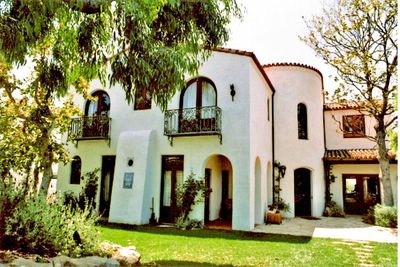
What Every Chestnut Hill Homeowner Should Know
Chestnut Hill homes are prized for their character. Victorian, Tudor Revival, and Colonial Revival architecture from the 1890s through 1920s define the neighborhood's historical identity. But when it comes time to update an aging home, owners face a fundamental choice: restore the original character or renovate for modern living?
The answer isn't always obvious. Most projects don't require choosing between preservation and modernization — they blend both. The key is understanding what restoration means, when it adds value, and when renovation makes more sense.
This guide breaks down the critical differences, explains cost implications, and shows how smart projects in Chestnut Hill balance historic integrity with contemporary function.
Quick Reference
Restoration Focus
Preserve original character, materials, details
Renovation Focus
Update systems, modernize finishes
Cost Difference
Restoration 15–30% higher
Value Impact
Restoration builds long-term value
Best Approach
Hybrid: restore + renovate
Understanding the Terms
Restoration vs. Renovation: The Essential Difference
Historic restoration returns a property to its original or historical character. It preserves original materials, architectural details, period-appropriate finishes, and design intent. Restoration asks: "How was this built? What made it beautiful? How do we return it to that?"
Standard renovation updates a property for contemporary use. It replaces outdated systems (HVAC, electrical, plumbing), modernizes finishes, and adapts spaces for current living. Renovation asks: "What does a modern homeowner need? How do we make this functional and comfortable?"
The distinction matters because they require different skills, materials, and timelines. A restoration specialist understands period millwork, period-appropriate techniques, and the historical significance of design choices. A general contractor excels at system upgrades and efficiency. Many projects need both.
The worst outcome is a home that's been gutted of its character — original woodwork stripped away, period doors replaced with builder-grade doors, plaster walls covered with drywall. You've lost what makes the home special, and you'll never recover that value at sale.
— Fred Beese, Fred Beese Builds
Preservation First
When Restoration Is the Right Choice
In Chestnut Hill's historic district, restoration becomes essential when a home's original character is its primary value proposition. Several scenarios call for prioritizing preservation.
Chestnut Hill Historic District Homes
Character-Defining Architecture
Homes built 1880–1930 with original millwork, windows, doors, and exterior details. These are the core of Chestnut Hill's identity. Preserving period character directly supports market value.
Original Millwork & Joinery
Irreplaceable Interior Details
Hand-milled trim, custom door frames, built-in cabinetry, ornamental plasterwork. These cannot be reproduced cost-effectively and define interior craftsmanship. Restoration preserves irreplaceable work.
Period Hardware & Fixtures
Authentic Period Elements
Door hinges, window hardware, mantels, stair railings—original hardware is both functional and beautiful. Restoration maintains historical authenticity and visual continuity.
Stone Facades & Wissahickon Schist
Masonry Character
Chestnut Hill's signature Wissahickon schist exterior stonework is a defining feature. Restoration means repointing, cleaning, and preserving this heritage material, not replacing it.
The common thread: these are elements that define what makes a Chestnut Hill home special. They're difficult or impossible to replace authentically, and they command value in the market.
Modern Functionality
When Renovation Is the Practical Choice
Not every aspect of an old home needs preservation. Systems and non-character elements benefit from modernization — and frankly, some homes were built after the historic period or lack significant original character.
Renovation (not restoration) is appropriate when:
HVAC, Electrical, Plumbing
Systems Need Upgrading
Old systems are unreliable and unsafe. Modernizing electrical to code, upgrading HVAC for comfort, and replacing failing plumbing aren't preservation decisions—they're necessary functionality upgrades.
Kitchen & Bath Updates
Functional Spaces
Modern kitchens and bathrooms are non-negotiable for contemporary living. Renovating these spaces doesn't require preserving period charm—it requires modern efficiency. You can do this while preserving character in public spaces.
Non-Historic Homes
Post-1960s Construction
If a home was built after meaningful architectural periods or has minimal original character, renovation (not restoration) is the practical approach. Update systems, refresh finishes, don't chase authenticity that isn't there.
Damaged Elements Beyond Repair
When Replacement Is Better
Sometimes original elements are too deteriorated to restore cost-effectively. If a period window frame is rotted beyond repair or doors are damaged irreparably, thoughtful replacement is better than poor restoration.
The key insight: renovation is appropriate for function. Preservation is appropriate for character. Smart projects do both — they restore what defines the home while modernizing what keeps it livable.
The Balanced Path
The Hybrid Approach: Restoring Character, Renovating Systems
The most sophisticated approach — and the one that builds lasting value in Chestnut Hill homes — is a hybrid. You restore what defines the home's character while thoroughly modernizing what makes it function.
A typical hybrid project looks like this:
RESTORE (Character Elements): Original hardwood floors, period millwork and trim, interior doors with original hardware, plaster walls and ceiling details, fireplaces and mantels, exterior stonework, original windows where possible, historic decorative hardware.
RENOVATE (Systems & Function): Complete electrical rewiring to code, new HVAC system, updated plumbing, modern kitchen, updated bathrooms, improved insulation, new exterior paint or refinishing.
This approach respects the home's history while ensuring contemporary living standards. The character-defining elements that drew you to Chestnut Hill remain intact. The frustrations of old systems disappear.
You don't need to choose between character and comfort. The best historic homes are ones where original beauty has been preserved and systems have been quietly modernized. The beauty shows, the upgrades don't.
— Fred Beese, Fred Beese Builds
Investment Reality
Cost Comparison: Restoration vs. Renovation
Historic restoration typically costs 15–30% more than standard renovation. Understanding why matters.
Restoration costs more because:
Specialized skills. Few craftspeople understand period millwork, historic joinery, and authentic restoration techniques. Hiring someone with 30+ years of restoration experience costs more than hiring a standard general contractor, but the quality difference is significant.
Period-appropriate materials. Matching original wood species, grain, color, and finish costs more than using modern equivalents. Hand-milling custom trim to match historic patterns takes time. Sourcing period-appropriate hardware requires research and supplier relationships.
Careful disassembly and preservation. Original elements can't be ripped out and replaced — they must be carefully dismantled, damaged sections repaired or replaced in kind, and reinstalled. This is time-intensive work.
Structural and consolidation work. Restoring historic wood involves epoxy consolidation and specialist repair techniques rather than simple replacement. This is more expensive but results in genuine structural preservation.
Example cost difference: Replacing a damaged historic door frame might cost $2,500–4,000 using standard contractor methods. Carefully restoring the same frame using period-appropriate wood and joinery techniques might cost $4,500–6,000. The restoration preserves the original; the replacement does not.
The payoff is in home value. In Chestnut Hill's market, a home with authentically restored character commands significantly higher resale value than one where original elements were stripped away in favor of generic modernization.
Market Reality
Impact on Home Value in Chestnut Hill
In Chestnut Hill 19118, properly restored historic homes outperform homes that have been renovated into generic spaces.
Restoration adds value by:
Creating scarcity. Original hardwood floors, period millwork, custom door frames, and plaster details cannot be reproduced cost-effectively. They're genuinely rare. Buyers recognize this and pay accordingly.
Telling a story. A home with preserved original details reads as authentic, cared-for, and historically significant. Buyers in Chestnut Hill specifically seek homes with period character. You're selling them what they came for.
Supporting property identity. Chestnut Hill's appeal rests on its collection of historic, character-filled homes. A home that maintains and celebrates its historical integrity aligns with neighborhood identity and commands neighborhood pricing.
Delivering durability. Original construction materials — solid hardwood floors, old-growth timber, lime-mortar joinery — are often superior to modern equivalents. Buyers recognize this as quality investment.
What kills value: Homes where original character has been systematically removed. If you've stripped the millwork, replaced period doors with hollow interior doors, covered plaster with drywall, and removed architectural details, you've eliminated the primary source of value in a Chestnut Hill home. You'll never recover that cost at sale.
The math is simple: A properly restored Chestnut Hill home maintains character and value. A gutted, modernized Chestnut Hill home loses its defining appeal and can't command neighborhood pricing.
Questions About Restoration vs. Renovation
Frequently Asked Questions
What's the main difference between restoration and renovation?
Restoration returns a property to its original or historic character — preserving original materials, architectural details, and design intent. Renovation updates a property for modern use — often replacing old systems, modernizing finishes, and adapting spaces for contemporary living. Restoration is about preservation; renovation is about adaptation. Many projects blend both approaches, restoring significant historic elements while renovating utilities and functionality.
Is restoration more expensive than renovation?
Restoration typically costs 15–30% more than standard renovation due to specialized skills, period-appropriate materials, and time-intensive disassembly and preservation techniques. However, properly restored historic homes in Chestnut Hill 19118 hold their value and appreciate better than homes that have been stripped of character. The investment in careful restoration pays long-term value dividends, especially in historic districts where original millwork and architectural integrity command premium pricing.
Does restoration increase home value in Chestnut Hill?
Yes, significantly — especially in Chestnut Hill's historic neighborhoods. Properties with carefully restored original woodwork, windows, doors, and architectural details appreciate faster and command higher resale values than homes where these features have been removed or covered. In the Chestnut Hill Historic District (19118), buyers actively seek homes with authentic period character. A generic renovation that strips original details may cost less upfront but leaves money on the table at sale. Historic preservation is an investment that yields returns.
Can you mix restoration and renovation in one project?
Absolutely. The hybrid approach is actually the most sensible for most historic homes. You might restore original hardwood floors, millwork, doors, and exterior brick while completely renovating the kitchen, bathrooms, HVAC, electrical, and plumbing to modern standards. This preserves the home's historic character and architectural integrity while ensuring contemporary comfort, safety, and functionality. The goal is to honor what deserves preservation while upgrading what needs modernization.
What features in Chestnut Hill homes are worth preserving?
In Chestnut Hill's historic architecture, prioritize preserving: original hardwood floors, period millwork and trim, interior doors with original hardware, exterior stone (typically Wissahickon schist), original windows when possible, plaster walls and ceiling details, fireplaces and mantels, and decorative hardware. These are the defining character elements that distinguish historic homes from generic modern houses. Systems like HVAC, electrical, and plumbing can be upgraded without sacrificing character — in fact, upgrading these while preserving visible character is the ideal balanced approach.
When does a non-historic home need renovation instead of restoration?
If a home was built after the 1960s or has minimal original architectural character, renovation (rather than restoration) is the practical choice. You're not preserving something historically significant — you're updating outdated systems and finishes. However, even non-historic homes built in the early-to-mid 1900s may contain solid original materials (hardwood, plaster, brick) worth preserving for quality and durability. The question isn't whether the home is old, but whether it has original character worth keeping.