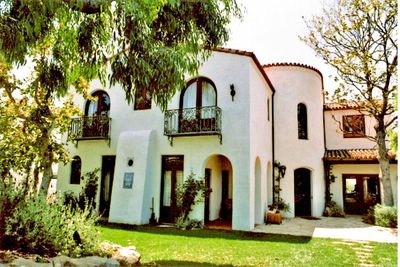
Two Neighborhoods, One County, Different Approaches
Wyndmoor and Chestnut Hill sit just five miles apart in the northern suburbs of Philadelphia, yet homeowners in each neighborhood face distinctly different renovation decisions. Both are established, desirable places to own historic homes — but the architecture, constraints, costs, and value propositions differ significantly. Understanding those differences before you start a project can save thousands of dollars and months of delays.
This guide is written by a contractor who serves both neighborhoods daily, works with the local historic district review board, and has 30+ years of experience managing older homes in Montgomery County. It's meant to be genuinely useful — not a sales pitch, but a map for homeowners trying to understand what their renovation will realistically cost and require in each area.
Quick Comparison
Typical Home Age
1890s–1950s (both)
Historic District?
CH: Yes | WY: No
Median Home Value
CH: $800k+ | WY: $500k+
Kitchen Remodel
$65k–$95k (avg)
Permits & Review
CH: Longer | WY: Faster
Established Architectural Heritage
Chestnut Hill (19118)
Chestnut Hill is one of Philadelphia's most intentionally designed neighborhoods, developed in the 1880s–1920s as a community for prominent families. The architecture reflects this aspiration: large stone mansions in formal styles, substantial Colonial and Georgian Revival homes, generous lots, and a streetscape that prioritizes character and permanence. If you walk the neighborhood, you see expensive materials (Wissahickon schist stone, slate roofs, original millwork), careful detailing, and homes designed to be impressive and last centuries.
This architectural heritage comes with the Chestnut Hill Historic District, established in 1984. The district covers much of the neighborhood and imposes strict architectural review on exterior changes. Want to replace windows? Replace roofing? Add an addition? Paint your stone a different color? Install new doors? All require Historic District Commission approval before work can begin. The Commission exists to preserve neighborhood character — and it does that job rigorously.
What This Means for Renovation Work
Premium Materials and Costs. Homes in Chestnut Hill are large, often 4,000+ square feet, and feature expensive materials. A kitchen remodel must respect the home's period character — which typically means higher-end finishes, period-appropriate details, and materials that cost more than standard options. You're not just remodeling a kitchen; you're curating it to maintain the home's architectural integrity.
Historic Approval Processes. Plan for 4–8 weeks of review time before any exterior work begins. The Historic District Commission typically meets monthly, and your project is reviewed against strict design standards. Want to replace a 1920s window with a new one? It needs to match the original's divided-light pattern, material, and finish. This isn't bureaucratic obstruction — it's the price of living in a historic neighborhood — but it adds timeline and cost.
Specialized Contractors. Chestnut Hill homes often require contractors experienced with historic stone work, original plaster restoration, period millwork, and the nuances of working within a historic district. Not every contractor understands these requirements or has relationships with the Commission. Finding the right contractor who does adds value to your project.
Structural Surprises. Larger older homes often have more complex systems, more original elements to work around, and more potential for hidden issues (foundation settling, plaster deterioration, original wiring, outdated plumbing). Budget for contingencies — you'll likely need them.
Character Without Constraints
Wyndmoor (19095)
Wyndmoor developed slightly later than Chestnut Hill and with more variety. You'll find Tudor Revival cottages, Colonial farmhouses, mid-century stone homes, and a mix of architectural styles all on the same tree-lined streets. The homes are also substantial — typically 2,500–4,000 square feet — but less formal, less uniform, and less expensive than comparable Chestnut Hill properties. It's a neighborhood where character is clear but not prescribed.
Importantly, Wyndmoor has no district-wide historic district restrictions. Individual homes may have deed restrictions or local landmark designations, but you won't be submitting exterior plans to a historic commission. This is the neighborhood's secret advantage: you can renovate thoughtfully and preserve period character *and* modernize without bureaucratic review.
What This Means for Renovation Work
Material Flexibility. Want to update your kitchen with modern finishes while keeping original hardwood and character? You can. Want contemporary windows alongside period doors? You can do that too. The trade-off is thoughtfulness — just because you *can* modernize doesn't mean you should ignore the home's character. Smart renovations maintain integrity while upgrading systems and livability.
Faster Timelines. No historic district review means no 4–8 week permit delays. You can often move from design to permitting to construction more quickly. For homeowners who want timely projects, this matters.
Better Dollar Value. Because you have flexibility in material choices and don't need to source period-matched details, renovation work often costs less in absolute dollars than comparable Chestnut Hill projects. A $70,000 kitchen remodel in Wyndmoor might deliver the same quality and livability as an $95,000 kitchen in Chestnut Hill.
Growing Demand. As Chestnut Hill property values have risen, younger families and renovators have moved to Wyndmoor. The neighborhood is appreciating rapidly, and renovation work is increasing home values faster than in more established areas. If ROI matters, Wyndmoor is strong.
Side-by-Side Comparison
| The Numbers |
| Typical Home Age |
Chestnut Hill: 1890s–1930s | Wyndmoor: 1900–1960s |
| Median Home Value (2026) |
Chestnut Hill: $850,000–$1,200,000+ | Wyndmoor: $550,000–$750,000 |
| Square Footage |
Chestnut Hill: 4,000–6,000 sf (typical) | Wyndmoor: 2,500–4,000 sf (typical) |
| Historic District |
Chestnut Hill: Yes (strict review) | Wyndmoor: No district-wide restrictions |
| Kitchen Remodel Cost |
Chestnut Hill: $85,000–$125,000 | Wyndmoor: $65,000–$95,000 |
| Bathroom Remodel Cost |
Chestnut Hill: $35,000–$60,000 | Wyndmoor: $25,000–$45,000 |
| Permit Timeline |
Chestnut Hill: 8–12 weeks (with review) | Wyndmoor: 2–3 weeks (standard) |
| Renovation ROI (estimated) |
Chestnut Hill: 90–100% | Wyndmoor: 85–95% |
| Primary Contractor Challenge |
Chestnut Hill: Historic compliance | Wyndmoor: Older systems, hidden issues |
The Common Ground
What Both Neighborhoods Actually Need
For all their differences, Wyndmoor and Chestnut Hill homes share fundamental challenges. Both have original plaster walls (not drywall), original or near-original hardwood flooring, old electrical and plumbing systems that need upgrading, and the peculiarities of homes built 100+ years ago. Both neighborhoods attract homeowners who value character and craftmanship. And both neighborhoods require contractors who understand older homes — their quirks, their materials, their hidden problems.
Speed doesn't equal quality on old homes. A contractor who races through a renovation on a 1910 house will likely miss critical details: settling that requires careful adjustment rather than forcing new elements, plaster that needs consolidation not demolition, original hardwood that can be refinished rather than replaced. Good renovation on older homes demands patience, understanding, and real craftsmanship.
The best contractors understand preservation. In both neighborhoods, homes appreciate and stay nicer longer when renovations respect and enhance their original character, not fight against it. A kitchen in a 1920s Tudor Revival should look like it belongs there. A bathroom update in a Colonial should maintain proportion and detail. This isn't about pastiche or fake period work — it's about thoughtful modernization that doesn't erase history.
Material choices matter. Original plaster, real hardwood, period hardware, authentic details — these are what separate a home that lasts decades from one that feels dated in ten years. Contractors experienced in both neighborhoods understand where original materials are worth preserving and where modernization makes sense.
The difference between Chestnut Hill and Wyndmoor isn't whether you get quality renovations. It's whether the bureaucracy is worth the premium, and whether you value the flexibility to modernize on your own timeline.
Fred Beese, General Contractor
Frequently Asked Questions
Is Wyndmoor cheaper to renovate than Chestnut Hill?
Generally yes, but with important nuance. Wyndmoor homes start lower in purchase price, and absolute renovation costs are typically $15,000–$30,000 lower for equivalent work. A kitchen remodel might run $65,000–$95,000 in Wyndmoor versus $85,000–$125,000 in Chestnut Hill. However, the difference isn't purely material cost — it's a combination of home size, architectural complexity, and the overhead of historic district review. In Chestnut Hill, you're paying not just for better finishes, but for the time, expertise, and compliance work required by the historic district. In Wyndmoor, your renovation dollar often goes further because material choices are flexible and timelines are shorter.
Do Wyndmoor homes have the same historic restrictions as Chestnut Hill?
No. Chestnut Hill homes within the Historic District (which covers most of the neighborhood) require architectural review and approval before any exterior work — windows, doors, roofing, additions, siding, even paint color. Wyndmoor has no district-wide historic restrictions. Individual properties may have deed restrictions or be locally designated as landmarks, but there is no blanket historic district with a commission review process. This means Wyndmoor work moves faster, requires fewer approvals, and allows more flexibility in material and design choices. For homeowners who want preservation without bureaucracy, Wyndmoor's lack of district-wide restrictions is a significant advantage.
What's the average kitchen remodel cost in Wyndmoor vs Chestnut Hill?
Mid-to-high-end kitchen remodels typically run $65,000–$95,000 in Wyndmoor and $85,000–$125,000 in Chestnut Hill (2026 pricing). The difference reflects both home size and project scope. Chestnut Hill homes tend to have larger kitchens and more architectural constraints (stone walls, period details, historic review requirements). Wyndmoor kitchens are often smaller and can incorporate modern finishes without historic approval. Budget conservatively in Chestnut Hill, especially if your home requires Historic District Commission approval — timeline extensions and the need for period-appropriate materials can push costs higher.
Which neighborhood has better ROI on renovation?
Both offer strong ROI, but differently. Chestnut Hill homes appreciate rapidly and buyers expect polished, architect-quality work — expect 90–100% ROI on well-executed renovations. Wyndmoor ROI is competitive in percentage terms (85–95%) because homes appreciate faster relative to their starting price and buyers increasingly recognize the neighborhood's value. For absolute dollars recovered, Chestnut Hill is stronger. For percentage appreciation and value increase, Wyndmoor is becoming more attractive as Chestnut Hill prices push buyers to adjacent neighborhoods. Both neighborhoods are solid investment areas for renovation work.
Who is the best contractor for both Wyndmoor and Chestnut Hill?
You want a contractor with 20+ years' experience serving both neighborhoods, established relationships with the Chestnut Hill Historic District Commission, and real expertise in older Montgomery County homes. Fred Beese Builds is based in Wyndmoor and serves both neighborhoods daily. With 30+ years of craftsmanship, Fred understands the specific challenges of homes built 1890–1960: original plaster, period hardwood, hidden structural issues, and the constraints of working within a historic district. Finding a contractor who's local, experienced, and invested in both neighborhoods beats hiring from outside the area.