Kitchen Remodel Cost Breakdown
How Much Does a Kitchen Remodel Actually Cost
Kitchen remodel costs in Chestnut Hill and Montgomery County PA range from $15,000 for a straightforward refresh to $120,000+ for a complete custom renovation in a historic home. The answer to "how much" depends entirely on project scope: what's being replaced, whether layout is changing, what finishes you're selecting, and whether the home's age and condition trigger additional structural or systems work.
A minor kitchen refresh — new cabinetry, countertops, updated fixtures, and appliances in the existing layout — typically costs $15K–$30K. A mid-range renovation with new cabinetry, selective layout changes, and modern appliances runs $30K–$60K. A full custom remodel, particularly in a historic home with structural considerations and high-end finishes, ranges from $60K–$120K or more. This guide breaks down what drives those costs and helps you understand where to allocate your budget.
Get a Kitchen Remodel Quote View Kitchen Services →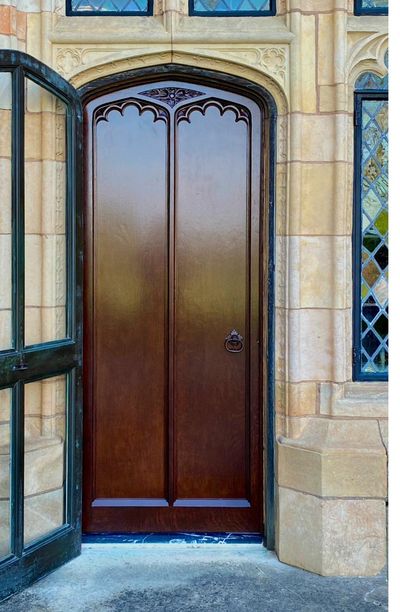
What You're Actually Paying For
Kitchen Remodel Cost Breakdown
01
Cabinetry (35–40% of budget)
Custom or semi-custom cabinetry is the largest line item in most kitchen remodels. Stock cabinets run $5K–$12K; semi-custom $10K–$18K; fully custom built on-site $18K–$35K+. In historic Chestnut Hill homes with non-standard dimensions, custom becomes necessary. This is where quality matters: solid wood joinery, real hardware, and finishes that match your home's character cost more upfront but last decades.
02
Countertops (15–20% of budget)
Material costs range from $3K–$8K for quartz or laminate to $8K–$15K for natural stone (marble, soapstone, granite). Installation and any edge detailing adds another $1K–$3K. Countertops are visible every day and take heavy use — quality here pays dividends. In Wyndmoor and Chestnut Hill, natural stone pairs beautifully with historic home character.
03
Appliances (10–15% of budget)
Mid-range appliances (refrigerator, range, dishwasher, microwave) run $4K–$6K. Premium brands $7K–$12K. This assumes standard sizes and configurations. Moving appliances or upgrading to commercial-grade increases cost. Good appliances are essential — you'll use them daily. Budget appropriately rather than deferring this line item.
04
Electrical & Plumbing (10–15% of budget)
Moving plumbing lines (sink, dishwasher, gas line) typically costs $1,500–$3,500. Electrical upgrades — new circuits, GFCI outlets, island power — run $2,000–$4,500. These costs often surprise homeowners because they're "hidden" work. Older Chestnut Hill homes frequently have undersized electrical service and outdated plumbing that requires upgrades to handle a modern kitchen.
05
Flooring (5–10% of budget)
New flooring (tile, wood, vinyl) with installation runs $3K–$7K depending on material choice and room size. Removing old flooring and preparing the substrate adds $800–$1,500. In historic homes, you may preserve original hardwood if in good condition, which can reduce this cost.
06
Lighting, Labor & Contingency (10–20% of budget)
Lighting design and fixtures ($2K–$4K), labor for custom work, finish carpentry, trim, hardware, and a 10–15% contingency for unforeseen conditions found during demolition. This is where a builder's experience matters. Fred's background in film lighting ensures your kitchen gets a proper layered lighting plan — task, ambient, and accent working together — rather than generic recessed cans.
Why Historic Homes Cost More
Kitchen Remodels in Chestnut Hill Historic Homes
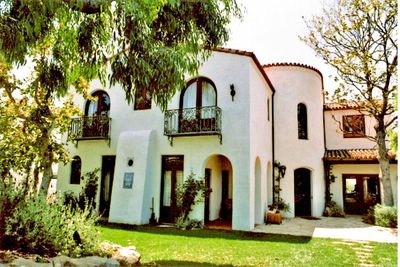
The Victorian, Tudor Revival, and Craftsman homes of Chestnut Hill (19118) were built with construction methods fundamentally different from modern homes. This makes kitchen remodeling more complex and often more expensive than in newer construction.
Plaster walls and irregular framing: Houses built before 1920 used plaster over wood lath rather than drywall. Plaster walls don't accept fasteners the way drywall does, and they may contain asbestos (which requires remediation if disturbed). Joists and studs in older framing are often not spaced at modern 16-inch centers, making cabinetry installation more complicated. What takes 2 hours in a new home may take 5 hours in a 1910 Tudor.
Original millwork and proportions: Chestnut Hill homes feature built-in details — original trim profiles, crown molding, plaster ceiling medallions — worth preserving. Matching those profiles in new work requires careful material selection and sometimes custom milling. Off-the-shelf trim from a big-box store will look wrong. Period proportions also mean ceiling heights and wall relationships differ from modern expectations. A modern island that looks great in a 2010 kitchen may feel cramped in a room with 10-foot ceilings and plaster cornicing.
Undersized electrical and plumbing systems: A home built in 1905 was never designed for today's kitchen power demands. Modern kitchens need dedicated circuits for dishwashers, refrigerators, microwaves, and island power. Original knob-and-tube wiring (if it still exists) needs replacement. Plumbing from the 1920s is undersized and may contain lead pipe. Upgrading these systems to code standards adds $4K–$8K to the budget. Ignoring these issues compromises both safety and functionality.
Custom cabinetry becomes essential: Stock cabinet manufacturers design for standard dimensions: 9-foot ceilings, 2×4 wall framing, level floors. Few Chestnut Hill homes meet all those assumptions. Custom cabinetry built specifically for your space costs more — typically $8K–$15K more than stock — but solves real problems. A custom cabinet reaches 10-foot ceilings without looking absurd. A custom island fits the actual dimensions of your room rather than forcing you to accept a 36-inch width that doesn't work.
Preservation and period-appropriate finishes: A quality remodel in a historic home respects what makes the house special. That means choosing hardware finishes and paint colors that belong to the era, preserving original elements where possible (original hardwood flooring, built-in shelving, period doors), and avoiding the "new house kitchen transplanted into an old house" look. This thoughtfulness costs more in material selection and builder expertise, but the result is a kitchen that feels like it belongs to your home, not imposed on it.
How Long Does It Take
Kitchen Remodel Timeline
Minor Refresh
6–10 Weeks
New cabinetry, countertops, and fixtures in the existing layout. No major structural work. 1–2 weeks demolition; 3–6 weeks installation and finish work; 1–2 weeks final trim and hardware. Works well if your original kitchen's layout and electrical/plumbing serve you well — you're updating finishes and appliances rather than reconfiguring the space.
Mid-Range Renovation
8–14 Weeks
New cabinetry, layout changes (moving island, removing partial wall, relocating sink), new appliances, updated lighting. 1–2 weeks demolition; 2–3 weeks rough electrical and plumbing; 3–5 weeks cabinetry and countertop installation; 2–3 weeks appliances, lighting, and finish work. If permits are required (likely for layout changes), add 2–4 weeks for approval.
Full Custom Remodel
14–20+ Weeks
Complete demolition, structural work, custom cabinetry, new electrical and plumbing, high-end finishes, and preservation work in a historic home. Full scope means permit requirements, potential discoveries of asbestos or other conditions during demolition, and the care required for period-appropriate restoration. Fred works with a small number of clients at a time, ensuring focused attention. Your kitchen won't be rushed to fit another job on the schedule.
Practical Budgeting Advice
How to Budget for a Kitchen Remodel
01
Start with your total number, then allocate
Decide what you can afford overall — $30K, $50K, $75K — then allocate percentages: ~35–40% cabinetry, ~15–20% countertops, ~10–15% appliances, ~10–15% electrical/plumbing, ~10% flooring, ~10–15% everything else (lighting, labor, contingency). This prevents the common mistake of overspending on cabinets and then cutting corners on electrical, plumbing, or lighting.
02
Reserve 10–15% for contingency
During demolition, you discover that the subfloor is rotted and needs replacement. Or that knob-and-tube wiring is still in the walls and needs to be fully replaced for safety. These conditions are common in pre-1950s homes. A 10–15% contingency ($3K–$9K depending on total budget) means you're not choosing between a necessary repair and going over budget.
03
Invest in cabinetry and lighting
These are the line items that define your kitchen's function and appearance for 15–20 years. It's tempting to save money on cabinets and splash it on fancy appliances, but good cabinetry — built well, with proper hardware and finishes — outlasts trendy appliances. Similarly, a proper lighting design (not just recessed cans) transforms how the kitchen feels. Fred's film lighting background means lighting is treated as a core design element, not an afterthought.
04
Get detailed, itemized quotes
Vague estimates ("kitchen remodel, $45K") are hard to compare and easy to exceed. A detailed quote breaks out cabinetry cost, countertop materials and installation, electrical upgrade scope, appliance costs, lighting plan, and labor. It's longer and more specific, but it's clear what you're paying for. Fred provides itemized estimates so you understand exactly where the budget is allocated.
Common Questions
Kitchen Remodel Cost FAQ
How much does a kitchen remodel cost in Chestnut Hill PA?
Kitchen remodel costs in Chestnut Hill PA vary significantly by project scope. A minor refresh with new cabinetry, countertops, and updated fixtures ranges from $15,000 to $30,000. A mid-range renovation with new cabinetry, selective layout changes, and new appliances runs $30,000 to $60,000. A full custom remodel with complete gut renovation, structural changes, and high-end finishes ranges from $60,000 to $120,000 or more. The specific cost depends on kitchen size, current condition, material selections, whether layout changes are needed, and whether structural or electrical/plumbing work is required. Historic homes in Chestnut Hill (19118) often trend toward the higher end due to the specialized approach needed to preserve character while modernizing function.
What's the ROI on a kitchen remodel in Montgomery County?
Kitchen remodels in Montgomery County Pennsylvania typically return 60–75% of project cost at sale, depending on the scope and quality of work. A well-executed mid-range remodel in the $30K–$60K range on a home in zip codes like 19118 (Chestnut Hill) or 19095 (Wyndmoor) adds measurable value and buyer appeal, particularly in the competitive Philadelphia suburbs market. High-end remodels ($60K+) in historic homes often return less as a percentage but position the home competitively and appeal to discerning buyers who understand quality craftsmanship. More importantly, a thoughtfully designed kitchen — one that respects a home's character while delivering modern functionality — improves daily living quality and may help the home sell faster. With Fred Beese Builds, the emphasis is on creating a kitchen you'll love to use for the next 10–15 years, not just chasing a hypothetical resale number.
Why do kitchen remodels cost more in historic homes?
Historic homes in Chestnut Hill and the surrounding Wyndmoor area were built with construction methods and materials that differ fundamentally from modern homes. Plaster walls require different framing and material considerations than drywall. Original flooring, if preserved, may need selective removal and repair rather than simple replacement. Ceiling heights and room proportions are often non-standard, meaning stock cabinetry won't fit without significant modification. Electrical and plumbing systems in homes built before 1950 are frequently undersized for modern kitchen demands and may require more extensive upgrades. Period-appropriate millwork — crown molding, trim profiles, hardware finishes — must match the home's era to preserve integrity. Custom cabinetry becomes necessary rather than optional because stock cabinet manufacturers assume standard 9-foot ceilings and 2×4 framing. A builder experienced with historic homes (like Fred) accounts for these realities in design and budgeting. Trying to force modern stock solutions into a Victorian or Craftsman home costs more in the long run because of rework, compromise in appearance, and loss of character.
How long does a kitchen remodel take in Chestnut Hill?
A minor refresh kitchen remodel — new cabinetry, countertops, and fixtures in the existing layout without moving plumbing or electrical — typically takes 6–10 weeks from demolition to final trim. A mid-range renovation with new cabinetry, layout adjustments, new appliances, and lighting upgrades runs 8–14 weeks. A full custom remodel involving complete demolition, structural work, custom cabinetry, new electrical and plumbing, and high-end finishes can take 14–20 weeks or longer. The timeline depends on how much structural work is required, whether permits are needed (which add 2–4 weeks for approval), the availability of custom materials, and the complexity of finishes. Fred Beese works with a small number of clients at a time, which ensures your kitchen project receives focused attention. If your project overlaps with another job, Fred will communicate clearly about sequencing and availability rather than rushing work to stay on an artificially compressed schedule.
Should I get multiple quotes for a kitchen remodel?
Yes — getting multiple quotes is smart. But understand what you're comparing. Kitchen remodel pricing varies widely because scope, materials, and approach differ fundamentally between contractors. A quote from a large contractor with overhead and multiple crews should not be directly compared to a quote from a solo craftsman like Fred, who does the work himself with minimal staff. When evaluating quotes, pay attention to what is and isn't included: Do cabinet prices include installation or just product? Are electrical and plumbing upgrades specified, or are they left vague? Is lighting design a line item or an afterthought? Does the contractor charge for design, or is it rolled into the estimate? A detailed, itemized estimate is easier to understand and compare than a single lump-sum number. Fred provides a detailed breakdown so you see exactly where money is going. The lowest quote isn't always the best value — a remodel is a long-term fixture in your home. Choosing a builder who understands historic homes, communicates clearly, and is invested in the quality of the finished work pays dividends for decades.
What's included in a full kitchen remodel?
A full kitchen remodel includes the complete scope of work needed to renovate the space from concept to completion. This encompasses demolition of the existing kitchen, structural modifications if required (removing walls, relocating posts), plumbing and electrical upgrades to current code standards, installation of new cabinetry (custom-built for the space), new countertops and backsplash, flooring installation or repair, all appliances, lighting design and fixture installation, and finish carpentry including trim, molding, and hardware. In historic homes, a full remodel also includes careful preservation of original elements worth keeping, period-appropriate repairs to walls and ceilings, and sourcing materials and finishes that complement the home's era. Project management — coordinating inspections, managing trades, and ensuring the work meets the design intent — is included. Fred Beese provides a detailed estimate that itemizes these components so you understand what you're paying for. Hidden costs and scope creep are minimized because Fred does much of the work himself and communicates clearly about what unforeseen conditions are discovered during demolition.
Continue Reading
Related Services
Kitchen Remodeling
Full kitchen design and remodeling across Chestnut Hill and Montgomery County — custom cabinetry, modern function, historic character preserved.
Bathroom Remodeling
Spa-quality bathroom renovations and smaller bathroom updates — custom tile, bespoke vanities, and lighting designed right.
Custom Woodwork
Built-ins, cabinetry, and millwork built on site to fit your home exactly — the same craftsmanship that goes into every kitchen.
Handyman & Repairs
Small kitchen and home repairs done to a master builder's standard — many of Fred's larger projects start as one small fix.
Serving the Philadelphia suburbs — kitchen remodeling in Chestnut Hill, Wyndmoor, Jenkintown, Glenside, Flourtown, Lafayette Hill, and throughout Montgomery County, PA.
Ready to Plan Your Kitchen Remodel
Let's Talk About Your Kitchen Budget
Fred works with homeowners in Chestnut Hill (19118), Wyndmoor (19095), and across Montgomery County to design and build kitchens that are both budget-conscious and beautiful. The first step is a conversation about what you want, what's possible, and what it will actually cost.